|
It is estimated that approximately 20% of the world’s population is neuroatypical. For years, office environments have been designed with a single, average user in mind. However, as the Gensler Research Institute points out, differences in how sensory stimuli are processed can affect the workplace experience of neuroatypical individuals, and some of the solutions designed to support their comfort can also benefit other employees. A neuroinclusive office is therefore not a convenience for a minority, but a work environment that offers greater choice and allows conditions to be better tailored to individual needs.
How to design a neuroinclusive office?
A well-designed office should address the diverse needs of its users and offer them choices. The level of stimulation, the need for focus, movement, interaction with others, or a moment of quiet vary throughout the day. That is why it is very important to diversify the office space and provide a variety of solutions that allow the workplace to be tailored to employees’ needs.
 
Acoustics in a Neuroinclusive Office
Noise is one of the main factors that can cause sensory overload and hinder concentration. A neuroinclusive office should therefore offer both spaces conducive to concentration and areas designed for conversation and collaboration.
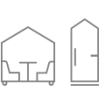
The Treehouse and Flathouse acoustic booths limit the influx of environmental stimuli while also preventing them from escaping to the outside. They can create a micro-space for loud discussions and creative meetings, but also serve as a quiet retreat. Acoustic panels and furniture work more subtly: they absorb sound, reduce reverberation, and help create a calmer work environment.
 
Ergonomics and movement—supporting concentration throughout the day
The ability to change positions and move naturally can have a significant impact on comfort and concentration while working. For some people, the ability to move, change positions, or gently sway can support concentration and have a calming effect.
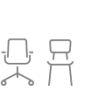
Height-adjustable desks make it easy to switch between sitting and standing, while ergonomic swivel chairs support proper posture and freedom of movement. In less formal spaces, furniture with a rocking function works well. The Jelly or Social_swing seats can help regulate tension and improve focus.
Read about how rocking can affect your well-being [read the article]
 
be: together—different places, different needs
Shared workspaces are used by different people with different needs. They create a kind of relational system in which designated zones allow users to regulate the intensity of stimulation and interaction with others.
The ability to choose a workspace tailored to one’s needs can increase engagement, efficiency, and concentration. Accommodating diverse ways of working does not mean creating a separate type of office, but rather an environment that gives users a choice: places for focus, collaboration, interaction with others, and relaxation.
Acoustics, ergonomics, opportunities for movement, and thoughtful zoning help create a space that better accommodates different ways of working. This approach, known as neuroinclusive design, can support not only neuroatypical individuals but also the comfort and well-being of many office users.


|





 EN
 PL
 DE
 FR


